
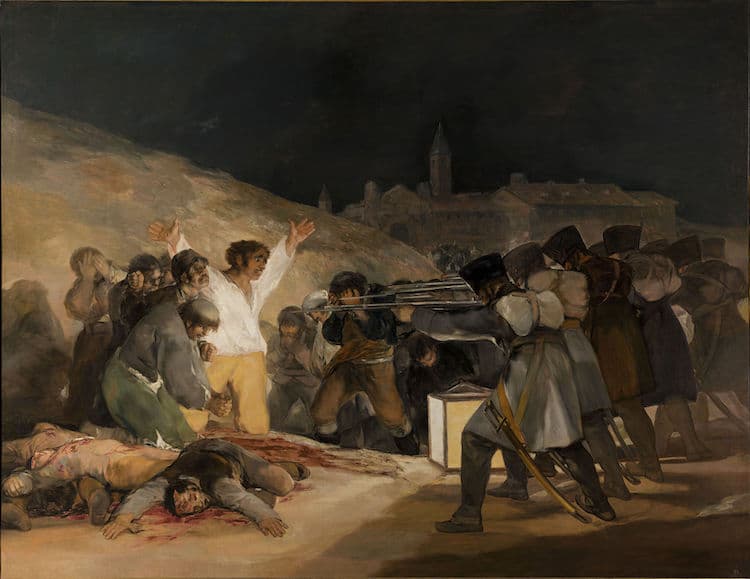
Throughout history, art has never been confined to galleries, manuscripts, or stage performances. It has acted as a mirror and, at times, as a weapon. When societies confronted oppression, inequality, or stagnation, creative expression became the vessel for resistance. The eruption of art culture revolutionary ideas has shaped nations, ignited movements, and redefined what it means to live with freedom and dignity.
Seeds of Awakening
Every revolution begins with thought, and thought often germinates in the fertile soil of culture. During the Renaissance, Europe witnessed one of the most profound historic cultural awakenings. Artists like Michelangelo and Leonardo da Vinci, along with writers such as Machiavelli, introduced a radical shift from medieval rigidity to humanist celebration. Their works challenged hierarchical dominance and empowered individuals to see themselves as creators of destiny. This awakening, born in workshops and literary salons, paved the way for political and social upheavals across the continent.
Similarly, the Enlightenment of the 18th century brought forward philosophical clarity through the writings of Voltaire, Rousseau, and Montesquieu. Paintings and prints echoed these ideas, spreading messages of liberty and human rights. Art did not remain an ornament; it became an intellectual engine of change.
Voices of Protest
The power of creativity intensifies when it becomes collective protest. The 20th century was marked by waves of art culture protest movements that reshaped societies. The Dada movement, emerging during World War I, mocked the absurdity of violence and nationalism. Artists like Tristan Tzara and Hannah Höch used satire, collage, and performance to destabilize the status quo. Their irreverence revealed that resistance could be as powerful with scissors and ink as with armies.
In America, the Harlem Renaissance amplified voices of African American writers, musicians, and painters. Figures such as Langston Hughes and Aaron Douglas created works that illuminated racial injustice while celebrating cultural pride. This cultural uprising laid essential groundwork for the Civil Rights Movement, proving that creative visibility could precede legislative reform.
Across Latin America, muralists like Diego Rivera, David Alfaro Siqueiros, and José Clemente Orozco transformed public walls into chronicles of struggle. Their frescoes captured the struggles of workers, peasants, and indigenous peoples, broadcasting messages of unity and justice to the masses. These public artworks acted as manifestos in pigment, impossible to ignore.
Art as a Catalyst for Transformation
The relationship between revolution and creativity is reciprocal. As much as societies shape art, art shapes societies. When Picasso painted Guernica, his monumental canvas became an unflinching condemnation of war. Exhibited internationally, the painting transcended its local tragedy and symbolized universal cries against brutality. In this sense, cultural change through art manifests not only in immediate protests but also in enduring symbols that speak across generations.
Music, too, has echoed through revolutionary corridors. From the protest songs of Bob Dylan during the Vietnam era to the anthems of South Africa’s anti-apartheid struggle, sound has been a language of defiance. Lyrics, rhythms, and melodies carried the spirit of hope to places where speeches could not.
Movements that Altered Perceptions
Some revolutions were not only political but psychological. The Surrealist movement, led by André Breton and Salvador Dalí, sought to liberate the unconscious. While not always overtly political, their exploration of dreams, desire, and irrationality cracked open new ways of thinking. These experiments questioned authority not through banners, but through imagination itself. They revealed that to change the world, one must first change the perception of reality.
Similarly, feminist art of the 1960s and 70s challenged patriarchal structures by demanding visibility and recognition. Artists such as Judy Chicago and the Guerrilla Girls employed provocative installations and posters to spotlight gender inequities in art institutions. Their creativity became activism, shifting discourse and inspiring new generations to demand equality.
The Legacy of Revolutionary Art
The legacies of art culture revolutionary ideas are etched not just in history books but in the collective consciousness of humanity. They remind us that revolutions are not solely battles fought with weapons. They are also battles waged with brushes, pens, voices, and performances. Cultural revolutions extend beyond the lifespan of regimes, continuing to influence thought long after political victories or defeats.
Today, new forms of artistic activism thrive. Digital art, street murals, spoken word poetry, and performance art address climate change, racial injustice, and human rights. These forms demonstrate that the tradition of protest through creativity is alive, constantly adapting to the world’s shifting crises.
From the Renaissance’s historic cultural awakenings to the 20th century’s art culture protest movements, art has proven itself as more than decoration. It is catalyst, conscience, and chronicler. It unearths truths, galvanizes masses, and dismantles oppressive ideologies. Through cultural change through art, humanity has not only resisted oppression but also envisioned new worlds of justice, equality, and possibility.
Every brushstroke, lyric, or performance carries the potential of revolution. And history affirms that when art rises, societies shift, and revolutions find their voice.

