
In every corner of the world, creativity has served as a universal language. Art and culture transcend spoken words, weaving together stories that capture shared emotions and human aspirations. Today, as societies become increasingly interconnected, celebrating cultural diversity through artistic expression has never been more vital. It not only enriches our understanding of each other but also creates pathways to empathy, connection, and unity.
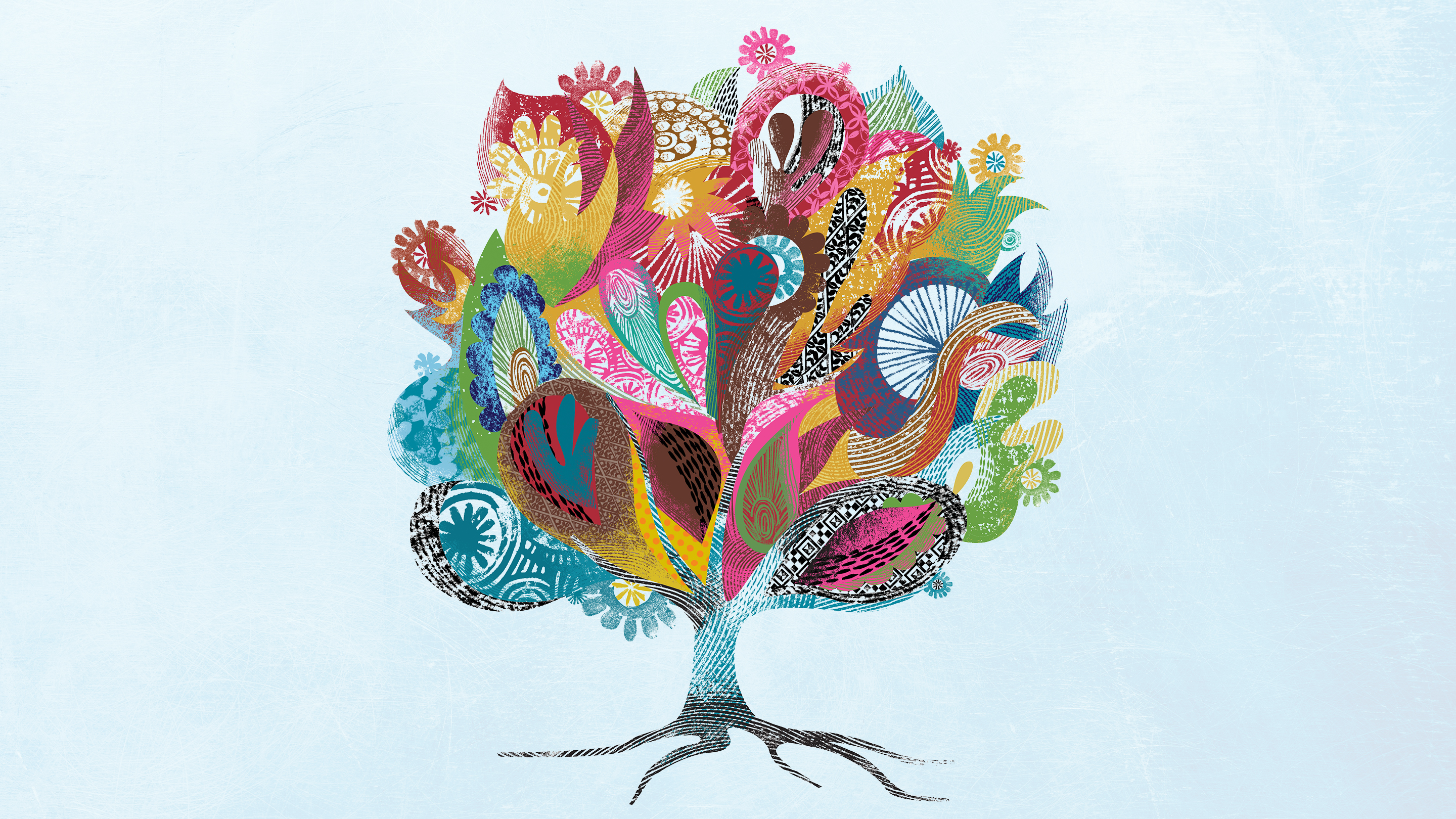
The Power of Shared Expression
Art is more than aesthetics. It is a mirror reflecting the values, struggles, and triumphs of communities. Music, dance, painting, theater, and literature all preserve the voices of generations past while providing inspiration for the present. By celebrating cultural diversity, these art forms reveal how distinct traditions are part of a broader human story. A mural painted in Mexico City, a song sung in Ghana, or a dance performed in Bali may seem different in form, yet they each speak of belonging, resilience, and pride.
Unity Across Borders
In a world where divisions often dominate headlines, the role of art becomes profoundly transformative. Festivals, exhibitions, and performances serve as meeting grounds for dialogue, helping people witness and appreciate each other’s heritage. This is the essence of art culture global unity, where creativity bridges gaps that politics or language sometimes cannot. A shared admiration for a traditional performance or a contemporary installation can dissolve boundaries, reminding us that cultural exchange is a source of strength.
Traditions that Inspire
Every culture carries its own palette of symbols, colors, and sounds. When artists draw inspiration from these, they create works that celebrate uniqueness while inviting cross-cultural appreciation. Consider the intricate calligraphy of the Middle East, the rhythmic drumming of West Africa, or the geometric patterns of Indigenous textiles in the Americas. These expressions embody diverse traditions in art, keeping local heritage alive while inspiring global creativity. They are not relics of the past but living traditions that continue to shape the present.
Festivals as Cultural Bridges
Festivals exemplify how art and culture embody unity in diversity. Carnival in Brazil, Diwali in India, and Lunar New Year across Asia showcase traditions that draw in global audiences. Visitors and locals alike immerse themselves in music, costumes, rituals, and performances. These gatherings are powerful illustrations of cultural harmony through art, where differences are celebrated rather than diminished. The vibrant energy of festivals reminds us that diversity is not an obstacle but an enrichment of human life.
Art as a Tool for Education
Education thrives when it incorporates cultural understanding. Schools and institutions that integrate arts programs based on global traditions equip young people with a broader worldview. A child exposed to African storytelling, Japanese haiku, or Native American dance learns not only about another culture but also about shared human values. Through diverse traditions in art, students cultivate empathy and critical thinking, preparing them to be global citizens in an interconnected age.
Contemporary Expressions of Diversity
Modern artists are increasingly merging traditions with innovation, crafting works that embody both heritage and progress. Fashion designers reinterpret indigenous patterns for global runways, musicians blend folk instruments with electronic beats, and architects integrate cultural motifs into futuristic buildings. These examples embody art culture global unity, proving that diversity fuels creativity. By blending past and present, local and global, contemporary art demonstrates the enduring relevance of cultural exchange.
Preserving Identity in a Globalized World
Globalization has brought people closer, but it has also raised concerns about cultural homogenization. In this context, art acts as a safeguard of identity. Community theaters, local artisans, and cultural centers ensure that traditions are not lost in the tide of modernity. Celebrating cultural diversity becomes not just an act of appreciation but also an act of preservation. By supporting local artists and engaging with heritage crafts, societies ensure that voices from every culture remain vibrant and heard.
Toward a Harmonious Future
The celebration of diversity through art is not only about preserving the past. It is about building a future rooted in respect, dialogue, and cooperation. When societies value cultural harmony through art, they foster environments where difference is embraced as a strength. This vision allows creativity to flourish, offering solutions to global challenges and inspiring collaboration across communities.
Art and culture illuminate the richness of humanity. They remind us that, while languages may differ and traditions may vary, the human need to create, to tell stories, and to connect is universal. Through diverse traditions in art, the celebration of festivals, and the preservation of heritage, societies find strength in their differences. By prioritizing art culture global unity and nurturing cultural harmony through art, the world steps closer to a shared future where diversity is not only respected but cherished as the essence of human beauty.


