
The landscape of creativity is constantly shifting. New mediums emerge, audiences evolve, and technology reshapes how art and entertainment are experienced. This dynamic interplay ensures that culture never stands still but remains vibrant and endlessly intriguing. From digital installations to immersive performances, the twenty-first century has ushered in a renaissance of experimentation and reinvention.
Exploring Art’s Changing Language
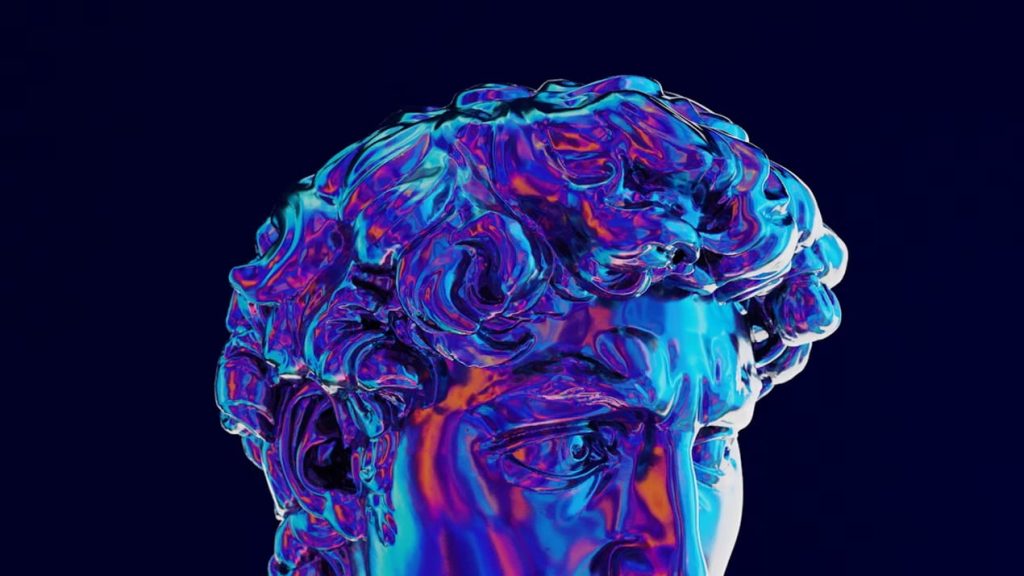
The act of exploring art trends today means looking far beyond traditional canvases and sculptures. Artists now use digital projection, artificial intelligence, and interactive technologies to push the boundaries of expression. A single exhibit may blend sound, motion, and light to envelop its audience in a sensory environment that challenges perception.
Street art has also matured from subculture to mainstream recognition. Murals in bustling cities have become monumental landmarks, often addressing pressing social issues. Similarly, performance art has expanded into immersive formats where viewers are not passive spectators but active participants. Each of these developments demonstrates how art remains a living, breathing dialogue with society.
Entertainment Reimagined
The world of entertainment is equally bold in its experimentation. Audiences today expect not just to watch but to engage, leading to a surge in interactive performances, virtual reality gaming, and hybrid stage shows. These entertainment innovation picks cater to diverse interests, from experimental theater fusing live performance with digital backdrops to concerts enhanced by holographic effects.
Streaming platforms have also played a critical role in reshaping consumption. They allow niche genres to flourish and provide global audiences access to cultural content once restricted to local settings. Entertainment is no longer confined to geography. It is democratized, personalized, and increasingly immersive.
Cultural Curiosity and Discovery
One of the most remarkable aspects of the current era is the constant unveiling of creative cultural discoveries. Cross-cultural collaborations are now the norm, blending influences from different parts of the world into cohesive and compelling works. A musician in one hemisphere may collaborate virtually with a visual artist in another. A dance performance may combine classical tradition with contemporary choreography drawn from distant influences.
These discoveries not only expand artistic vocabularies but also nurture empathy and cultural literacy. They allow audiences to experience worlds beyond their own, broadening horizons and fostering mutual respect across communities. By merging heritage with experimentation, they produce a dynamic cultural dialogue that is both grounded and forward-looking.
The Sources of Inspiration
Every era produces its own artistic inspiration sources, and today’s creative world is rich with them. Technology is perhaps the most prominent. Virtual reality, augmented reality, and artificial intelligence offer tools that artists and entertainers are only beginning to harness fully. Environmental concerns have also become strong inspiration sources, leading to works that blend ecological advocacy with aesthetics.
Human stories remain timeless fuel for creativity. Whether drawn from personal struggles, collective triumphs, or shared global challenges, they inspire works that resonate across boundaries. The beauty of this era lies in the variety of inspiration: scientific progress, cultural hybridity, and even political discourse contribute to shaping how art and entertainment unfold.
The Blending of Disciplines
Another defining characteristic of contemporary trends is the erasure of rigid boundaries. Art borrows from entertainment, and entertainment borrows from art. An installation may incorporate elements of dance. A theatrical performance may unfold inside a gallery space. This blending allows for greater depth, appealing to both the intellect and the senses.
Such fusion ensures audiences are consistently surprised. They step into spaces where expectations are overturned and new experiences are born. The outcome is a flourishing environment where creativity thrives precisely because it refuses to be confined.
Audiences as Participants
Today’s cultural climate encourages active engagement. Viewers are no longer content with observation. They want to contribute, to shape the experience, and to feel part of the creative process. This shift has given rise to participatory exhibits, interactive storytelling, and immersive festivals where boundaries between artist and audience dissolve.
Such involvement builds stronger connections. It ensures that art and entertainment are not distant spectacles but lived experiences. By placing audiences at the heart of creativity, trends today cultivate a sense of ownership and belonging.
A Future Defined by Innovation
Looking forward, the trajectory of creativity points toward even greater experimentation. The fusion of digital and physical realities promises to redefine galleries, theaters, and concert venues. Sustainability will likely influence not only the themes of works but also their materials and production methods. Collaboration across continents will continue to accelerate, ensuring diversity in expression remains at the forefront.
The joy of this unfolding future lies in its unpredictability. Each innovation, discovery, or collaboration carries the potential to transform how people perceive and experience the world.
The cultural world today thrives on movement, experimentation, and curiosity. By exploring art trends, embracing entertainment innovation picks, uncovering creative cultural discoveries, and drawing from diverse artistic inspiration sources, societies cultivate a rich environment for creativity to flourish. These trends ensure that art and entertainment remain not just reflections of life but engines of change, continuously shaping how humanity dreams, connects, and evolves.