
Journalism is built on facts, yet the stories that linger in memory are often those that carry emotion. Words alone can inform, but when paired with visuals, they gain resonance. The introduction of a Human Touch In News Art transforms straightforward headlines into experiences that stir empathy and invite deeper reflection. By infusing emotion into otherwise stark narratives, news art bridges the divide between information and humanity.
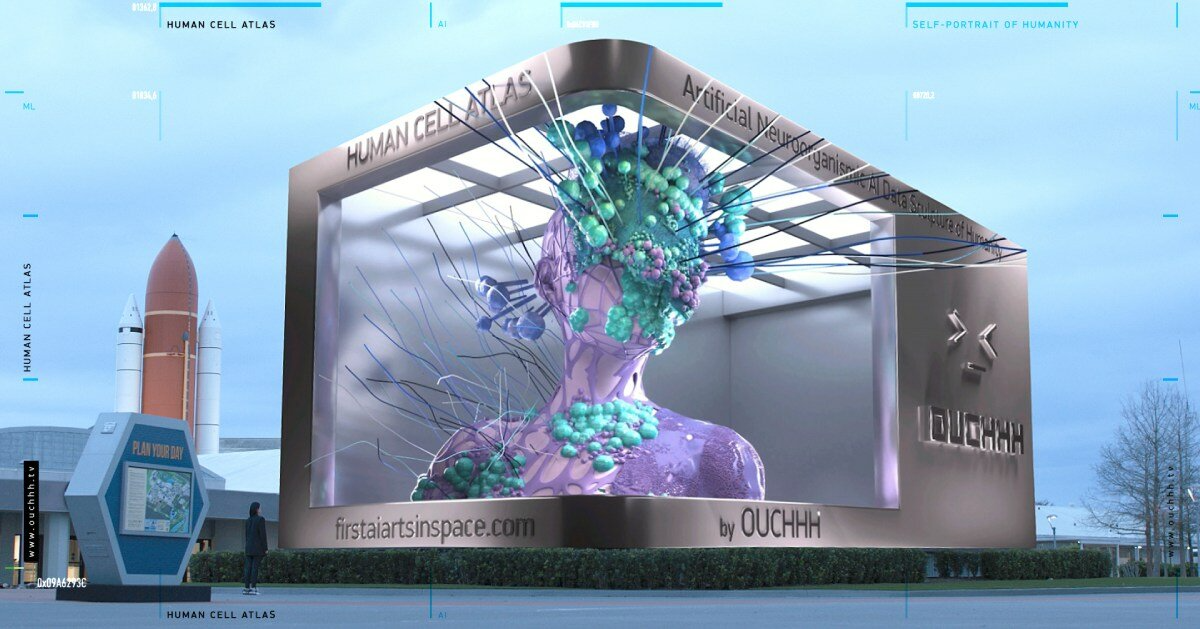
The Heart Behind Headlines
Headlines are designed to capture attention. They summarize, condense, and compel. Yet they often risk feeling detached, distant from the human realities they represent. Through visual interpretation, this distance narrows. Adding Emotion To Headlines allows stories to move beyond mere updates, evoking a visceral reaction that invites audiences to pause.
Consider an article on migration. A headline may highlight statistics, but a painting of weary footsteps on a barren road reveals the struggle behind the numbers. The art does not simply decorate the headline. It amplifies its meaning, offering a pathway to empathy.
Connecting Audiences in Deeper Ways
The true value of news art lies in its power to unify. By illustrating shared struggles and joys, it creates common ground among diverse viewers. Connecting Viewers Through Art transforms the solitary act of reading into a collective experience. People who may live worlds apart can find resonance in a single striking image that speaks to universal feelings of fear, hope, or resilience.
Visuals transcend language barriers, offering clarity in ways text cannot. An illustration of a child clutching a tattered book in a conflict zone communicates urgency without translation. It is art’s universality that enables journalism to connect with audiences across cultures and geographies.
Breathing Life Into Stories
Information alone risks fading quickly in the crowded digital landscape. Art ensures stories endure. Art Bringing Stories To Life is more than a phrase. It represents the transformation of cold details into narratives that feel lived and real.
Imagine a report on wildfires. Photographs of charred landscapes capture devastation. Yet an artist’s depiction of animals fleeing flames adds poignancy that statistics cannot convey. The story ceases to be abstract. It becomes tangible, urging reflection on both loss and responsibility.
Emotion as a Conduit for Truth
Emotion is not opposed to truth. It is a companion that ensures facts resonate. Without it, stories risk becoming sterile recitations. By weaving emotional depth into news through visuals, artists strengthen journalism’s impact. This is why Adding Emotion To Headlines remains central to effective storytelling.
An economic crisis illustrated with faces etched in worry makes the consequences immediate. A political upheaval represented through bold, chaotic strokes of paint conveys instability more vividly than any statement. Emotion allows truth to linger, refusing to be dismissed or forgotten.
Humanizing Complexity
The modern world is complex, filled with issues that defy easy explanation. Climate change, inequality, migration, technological disruption—all demand nuanced understanding. Here, a Human Touch In News Art plays a vital role. It simplifies without diminishing. It humanizes without distorting.
A carefully drawn visual can turn abstract data into lived reality. By translating complexity into relatable imagery, news art ensures audiences grasp not just the facts but their human implications. This is interpretation at its highest form, where clarity and compassion converge.
Strengthening Collective Memory
Throughout history, images have defined eras. From iconic war photographs to symbolic political cartoons, art has imprinted events into cultural consciousness. The same continues today, but with greater immediacy. Digital platforms allow visuals to circulate globally within moments, shaping how events are remembered.
By Connecting Viewers Through Art, creators ensure stories do not fade with the next headline. They embed them into the shared memory of society. This shared memory, shaped by both emotion and artistry, becomes a foundation for empathy and collective action.
Looking Forward
The future of news art lies in continued innovation. Interactive illustrations, augmented reality, and multimedia storytelling expand possibilities. Yet the core principle remains timeless. At its heart, news art must continue Art Bringing Stories To Life, making information human, accessible, and meaningful.
Technology may change the medium, but the need for human connection remains constant. Audiences will always seek stories that reflect not only facts but feelings. Art provides that bridge, ensuring that journalism does more than inform. It inspires, questions, and moves.
At its best, journalism is not simply the transmission of facts. It is a dialogue with society. The infusion of a Human Touch In News Art ensures that dialogue is heartfelt and enduring. By Adding Emotion To Headlines, stories move beyond the transactional and enter the realm of memory. Through Connecting Viewers Through Art, journalism builds unity across boundaries. And with Art Bringing Stories To Life, news transcends the moment, becoming a living narrative that compels audiences to care.
The combination of art and news is not an embellishment. It is an evolution. In this evolution, headlines find their humanity, and information transforms into inspiration.