The night sky holds a certain magic. City lights twinkle like jewels, stars scatter across the heavens, and shadows transform ordinary streets into something cinematic. Yet, capturing this beauty can feel daunting. With the right approach, every after-dark scene can glow with brilliance. These essential night photography tips will help you elevate your craft and ensure your images radiate charm.

Harness the Power of a Tripod
Stability is your best ally when working with long exposures. Even the steadiest hands cannot match the precision of a sturdy tripod. For crisp city skylines or silky light trails, avoid camera shake at all costs. By planting your setup firmly, you instantly make night shine with clarity and definition.
Master the Exposure Triangle
Night shots demand a thoughtful balance of aperture, shutter speed, and ISO. Open your aperture to let in as much light as possible, yet keep in mind depth of field. Slow shutter speeds reveal more detail in low light, but motion can blur if not managed well. ISO can rescue darker settings, but excessive use leads to noise. Perfecting this trio leads to creative low-light shots that feel polished and intentional.
Paint with Light
Artificial lighting becomes your creative brush at night. Street lamps, neon signs, car headlights, and even handheld torches can add character. Experiment with light painting by moving a flashlight across a scene during a long exposure. This method unlocks a world of camera technique improvements that blend artistry with technical skill.
Embrace Long Exposures
The secret to dramatic night shots often lies in time. Long exposures capture light trails, moving clouds, or shimmering reflections on water. A bustling street transforms into flowing streams of color, while stars create dreamy arcs above. Long exposures do more than record—they make night shine in ways invisible to the naked eye.
Choose the Right White Balance
Night lighting can cast strange colors—yellow from sodium lamps, blue from LEDs, or green from fluorescents. Adjusting white balance ensures your images reflect the mood you desire. Cooler tones enhance mystery, while warmer hues evoke coziness. With a few tweaks, your photographs can achieve the moodiness every after-dark scene deserves.
Manual Focus Is Your Friend
Autofocus struggles in the dark. Switch to manual and fine-tune your lens by zooming in through live view to ensure precision. Focus on distant lights, the moon, or even illuminated buildings. This practice ensures night photography tips translate into sharper, more professional results.
Use Reflections for Drama
Water surfaces, glass buildings, and even wet streets can double your light sources, adding depth and intrigue. A neon sign reflected in a puddle can transform a simple composition into an artwork. By seeking reflections, you capture creative low-light shots that mesmerize with unexpected dimension.
Play with ISO Intentionally
Don’t fear raising ISO when needed, but use it sparingly. Modern cameras handle higher ISOs better than before, but noise can still creep in. When paired with post-processing, ISO adjustments can help highlight details otherwise hidden in shadows. Thoughtful experimentation will guide you toward balanced results.
Add Human Elements
Night photography thrives on contrast. A silhouetted figure under a glowing streetlight, a passerby blurred in motion, or a couple illuminated by neon—these elements bring warmth and relatability. These subtle inclusions give life to technical mastery and make night shine with narrative depth.
Explore Different Perspectives
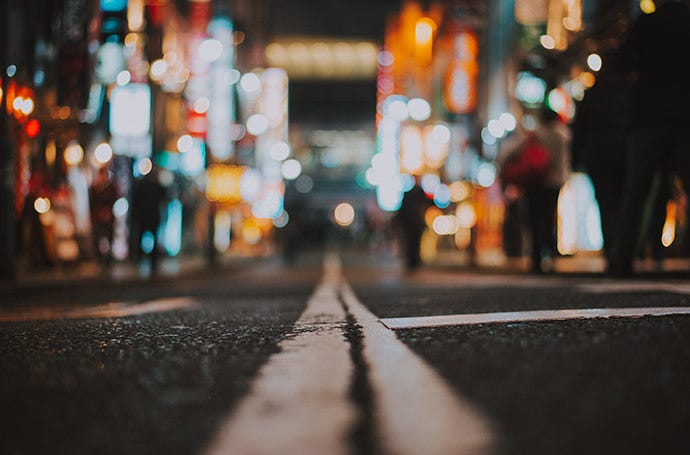
Tilt your lens upward to capture towering buildings against the sky. Crouch low for reflections along pavement. Experiment with wide angles for sweeping cityscapes or telephoto lenses for intimate slices of light. Diverse perspectives are at the heart of camera technique improvements, turning static frames into stories.
Post-Processing with Care
Editing can refine your night shots into polished masterpieces. Reduce noise carefully, adjust highlights to manage blown-out lights, and enhance shadows to reveal hidden details. A touch of contrast and saturation can bring vibrancy without overdoing it. Done thoughtfully, post-processing adds the finishing glow to creative low-light shots.
Patience as a Virtue
The night doesn’t rush. Waiting for car trails to pass, clouds to shift, or the moon to emerge often makes the difference between average and extraordinary. Embracing patience rewards you with images that don’t just capture darkness, but transform it.The night is a canvas, and your camera the brush. With solid stability, thoughtful exposure, and creative use of light, you can unlock its mysteries. Whether you aim to make night shine with neon reflections, craft creative low-light shots, or refine your skills through camera technique improvements, each click brings a new discovery. With these night photography tips, the after-dark world becomes an endless playground for artistry and exploration.