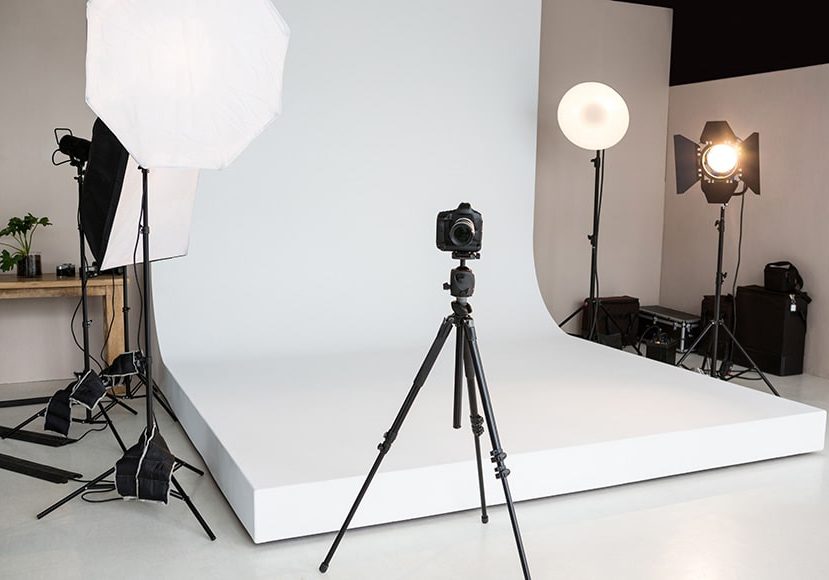
Light is the soul of photography. It has the power to transform an ordinary scene into a mesmerizing masterpiece. Mastering how to shape, balance, and manipulate light is what separates casual snapshots from breathtaking imagery. With these practical yet imaginative approaches, you’ll discover the true essence of smart lighting photography and learn how to craft brilliance with every click.

Harness Natural Light
The sun is the most accessible source of illumination, yet many overlook its nuances. Early morning and late afternoon—known as the golden hours—offer soft, flattering tones that enrich textures and add warmth. Midday light, although harsh, can still be harnessed for dramatic contrasts or high-key compositions. The secret lies in adjusting angles and knowing when to step into shadow for subtler effects. These adjustments form part of perfect exposure tips that elevate natural light use to an art form.
Use Reflectors for Balance
A simple reflector can redirect sunlight or artificial light back onto your subject, softening shadows and evening out harsh contrasts. Even budget-friendly options, like a white sheet or aluminum foil, can create striking differences. Reflectors embody the magic of creative illumination ideas, showing how small tools can reshape the mood of an image.
Embrace Artificial Light
Lamps, LED panels, or even fairy lights provide endless possibilities for imaginative setups. Artificial sources allow control when natural light is scarce or inconsistent. Try mixing warm and cool tones to create layered effects. By experimenting, you begin a journey toward photography light mastery, where you dictate how light interacts with your subject instead of being at its mercy.
Position Is Everything
The direction of light transforms emotion. Front lighting illuminates details clearly but may flatten features. Side lighting, on the other hand, creates drama with contrast and depth. Backlighting can silhouette subjects, producing ethereal or mysterious tones. Angling your light thoughtfully ensures that every subject is not just seen but felt, an essential element of smart lighting photography.
Diffuse for Softness
Direct light often produces harsh highlights and unflattering shadows. Diffusers—whether professional tools or simple materials like sheer fabric—scatter light evenly, creating gentle illumination. This technique works wonders for portraits, product shots, and close-ups, turning otherwise flat images into polished compositions that embody perfect exposure tips.
Experiment with Shadows
Shadows are not the enemy of photography—they are a creative companion. Play with blinds, tree branches, or textured objects to cast intriguing patterns on your subject. Such experimentation adds depth and visual storytelling, bringing creative illumination ideas to life in surprising and artistic ways.
The Power of Contrast
High contrast shots make details pop. Think of a candlelit face against a dark backdrop or neon lights glowing in the night. Learning to balance highlights and shadows pushes you closer to photography light mastery, helping you frame images that are rich in character.
Use the Golden and Blue Hours
Beyond golden hour, blue hour offers its own magic. The brief period just after sunset or before sunrise presents cooler, dreamy tones that work beautifully for landscapes, cityscapes, or reflective portraits. Pairing golden warmth with blue serenity at different times of day diversifies your style and enhances your control of smart lighting photography.
Don’t Neglect Indoor Lighting
Interior spaces often present lighting challenges, from fluorescent flickers to uneven shadows. To counter this, combine natural light from windows with ambient indoor light. Adjust white balance settings to correct color casts and maintain accuracy. Indoor control is an overlooked aspect of perfect exposure tips that can dramatically improve results.
Add Drama with Rim Lighting
Placing a light source behind your subject highlights their outline, producing a glowing rim that separates them from the background. This technique adds dimensionality and intrigue. Whether it’s a portrait or still life, rim lighting is a refined example of creative illumination ideas in practice.
Adjust in Post, but Don’t Rely on It
Editing software can fine-tune exposure, highlights, and shadows. However, striving for strong initial lighting ensures less dependence on post-processing. Use editing tools to enhance, not rescue. True photography light mastery begins in the moment of capture, not in the editing suite.Lighting is more than brightness; it’s emotion, mood, and storytelling. By experimenting with direction, diffusion, reflection, and timing, you open a gateway to artistic depth. Whether applying perfect exposure tips during a morning shoot, exploring creative illumination ideas with everyday objects, or striving for photography light mastery through deliberate experimentation, the key is awareness. Embrace light as both your tool and your muse, and every photograph will glow with intention and impact.