
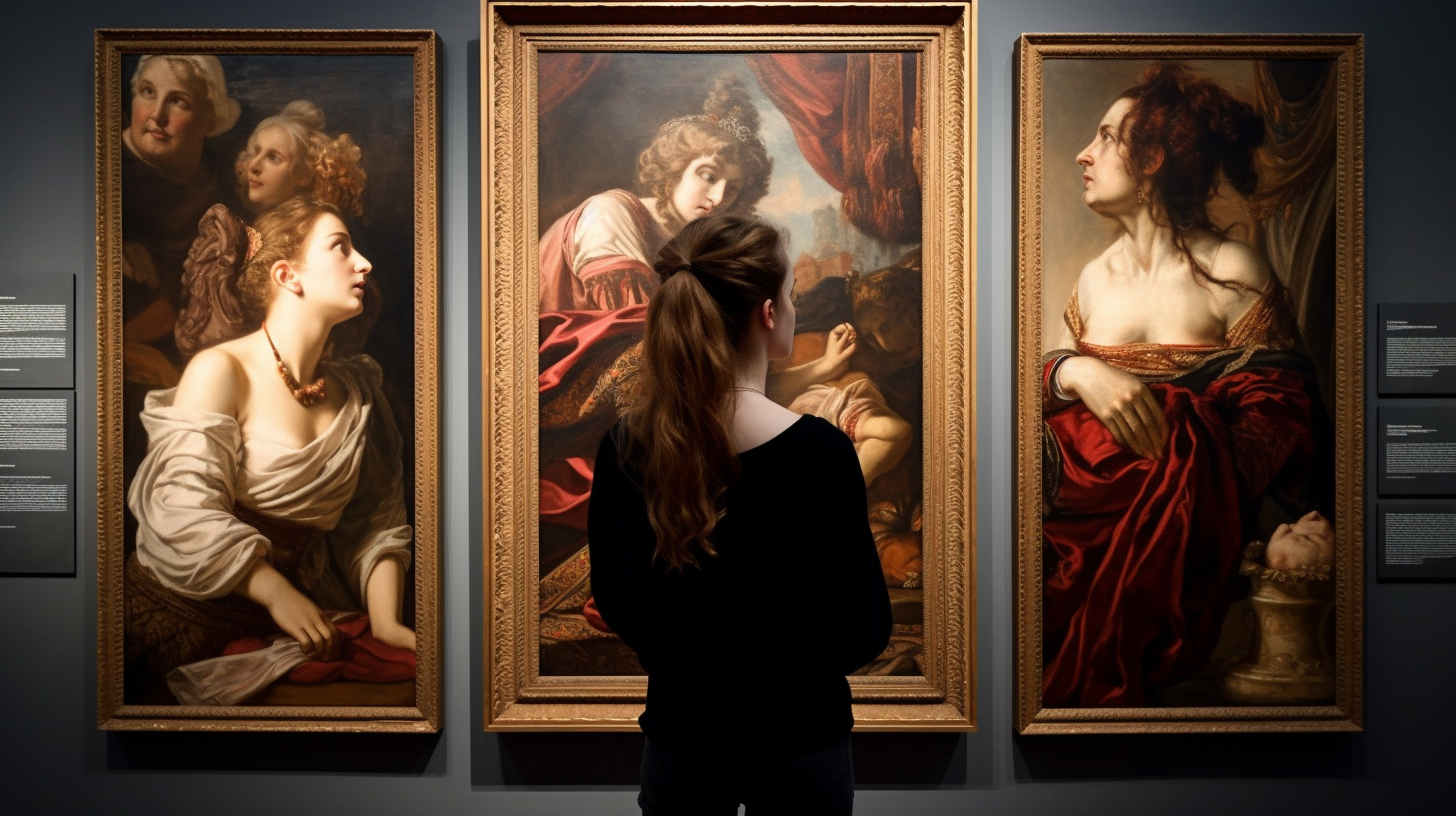
In a world of rapid technological advancement and constant global change, some may wonder what place art and culture hold today. Yet it is precisely in these turbulent times that their value becomes undeniable. They shape identity, preserve memory, and inspire imagination. They give humanity its soul. The importance of art culture extends far beyond galleries, theaters, or museums. It is woven into the fabric of everyday life, guiding how societies understand themselves and how individuals connect with one another.
A Foundation of Human Identity
Art and culture serve as vessels of memory. Through paintings, music, architecture, literature, and ritual, civilizations transmit their legacies across generations. The pyramids of Egypt, the poetry of Persia, the music of Africa, and the myths of Greece all carry voices from centuries past into our present. To forget them would be to lose a part of ourselves. Recognizing the essential role of art culture is therefore not an act of indulgence but of survival, ensuring continuity between past and future.
Meaning in an Age of Distraction
Today’s societies are inundated with information and consumed by speed. In such a climate, art and culture provide stillness and reflection. They remind us that beauty, truth, and meaning cannot be measured in algorithms or efficiency. When a mural on a city wall speaks of injustice, when a symphony fills a concert hall with emotion, or when a film compels audiences to see the world differently, we realize the art culture modern relevance. Far from being luxuries, they are lifelines to deeper awareness in an often fragmented existence.
Bridges Across Borders
Culture is also the bridge that connects communities across language and geography. Traditional dances, indigenous storytelling, and visual arts become forms of dialogue where words may fail. They dismantle barriers and encourage empathy. For this reason, those who ask why culture truly matters need only observe how festivals, exhibitions, and performances foster shared experiences that transcend differences. By engaging with the cultural expressions of others, we come to see the common humanity that binds us all.
Agents of Social Change
Beyond identity and empathy, art has always been a force for transformation. From the revolutionary posters of the 20th century to the protest songs that fueled civil rights movements, creativity has given voice to those silenced by power. The importance of art culture lies in its ability to challenge norms, to question authority, and to reimagine possibilities. Artists hold mirrors to society, reflecting injustices that must be addressed, while simultaneously imagining a better tomorrow.
Healing Through Expression
Art and culture also carry profound therapeutic value. They offer comfort in times of loss, resilience in moments of crisis, and celebration in periods of joy. Communities recovering from war or disaster often turn to collective rituals, music, and storytelling as ways to heal wounds that language alone cannot. The essential role of art culture in such contexts lies in its ability to mend what is broken, to restore dignity, and to remind people that beauty persists even amid hardship.
Fuel for Creativity and Innovation
Modern innovation often owes its spark to cultural imagination. Designers borrow from ancient motifs, architects reinterpret traditional forms, and technology itself frequently finds inspiration in artistic vision. The art culture modern relevance is evident in everything from fashion runways to digital design studios. Without the imaginative impulse nurtured by art and culture, progress risks becoming mechanical, devoid of soul. Creativity flourishes when it draws nourishment from cultural roots.
Anchors in a Globalized World
In an era of globalization, where homogenization threatens distinct traditions, safeguarding cultural diversity becomes vital. Each language, each craft, each performance holds a worldview that cannot be replicated once lost. Protecting these expressions underscores why culture truly matters. Diversity enriches not only local communities but also the global mosaic, ensuring that humanity’s future is not uniform but vibrant and multifaceted.
A Call for Recognition
To recognize the importance of art culture today is to affirm that progress is incomplete without soul, and prosperity is empty without memory. Policymakers, educators, and citizens alike must treat cultural investment not as a luxury but as a necessity. The stories we tell, the art we create, and the rituals we preserve are not separate from our existence. They are at the core of it.
In times of uncertainty, art and culture remind us of permanence. In moments of division, they reveal unity. In an age of progress, they preserve humanity’s heart. The essential role of art culture cannot be overstated, for it is through them that we interpret meaning, craft identity, and dream of futures worth striving for. As the world grows more complex, the art culture modern relevance becomes clearer with every passing day. Ultimately, those who question why culture truly matters must only look around. It is in our music, our languages, our monuments, our stories. It is in the way we connect, imagine, and endure. And it matters more than ever.

/https://tf-cmsv2-smithsonianmag-media.s3.amazonaws.com/filer_public/cc/8f/cc8f7f33-07b7-4292-a0cc-2131ac28e236/aprmay2025_j10_undergroundrome.jpg "Uncover Art & Culture Secrets of Ancient Cities")
