
Art and entertainment have always been more than mere diversions. They are vessels of meaning, shaping how communities perceive the world, themselves, and others. Across centuries, humans have found ways to weave stories into painting, dance, theater, music, and digital media. Each artistic form has its unique cadence, yet together they contribute to the grand tapestry of human culture. At the heart of these expressions lies the enduring craft of storytelling through art, a practice that fuses imagination with perception, inviting audiences into worlds both real and fantastical.
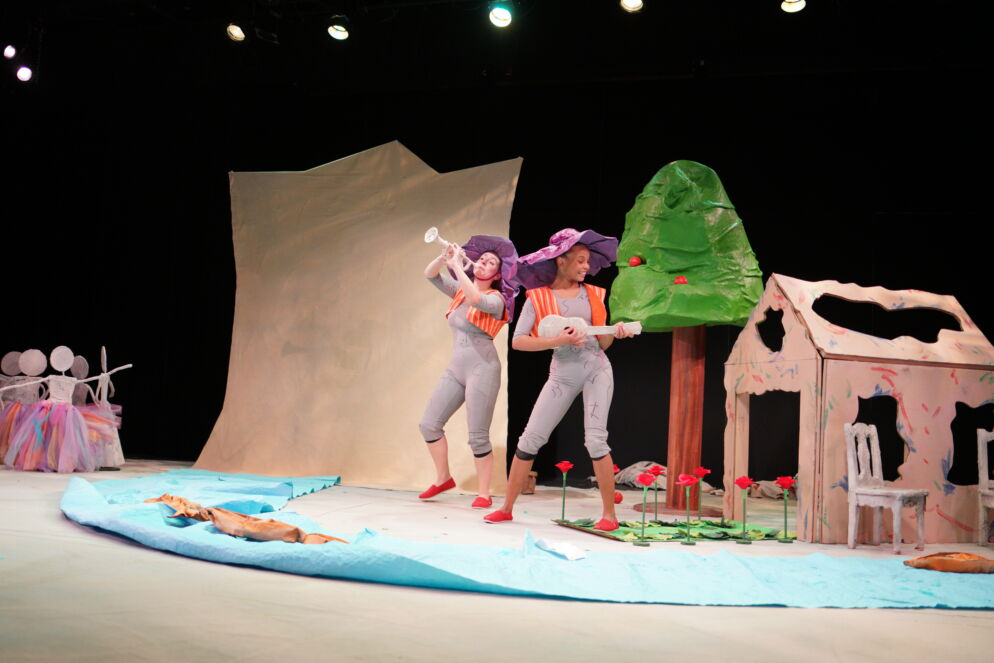
The Ancient Roots of Narrative Expression
Long before written language, early humans etched images onto cave walls. These markings were not just decorative; they carried tales of hunts, rituals, and cosmologies. The ability to transmit memory and meaning through symbolic forms created bonds within tribes and preserved knowledge for future generations. The same principle remains alive today, though expressed through far more elaborate mediums. From Renaissance frescoes to contemporary cinema, the common thread is the pursuit of narrative. Each brushstroke, melody, or gesture reveals fragments of human experience, building bridges between artist and audience.
The Magic of Entertainment Narratives
Modern entertainment thrives on its capacity to shape entertainment narrative experiences. A well-crafted story does not simply unfold; it envelops. Audiences sit in darkened theaters, gaze at glowing screens, or listen to spoken word performances, all while entering an alternate reality constructed by creative minds. This form of storytelling surpasses passive consumption. It allows individuals to suspend disbelief, to empathize with characters, and to feel emotions that might otherwise remain dormant.
Television series, interactive games, and immersive stage productions all demonstrate this dynamic. They blend character development, thematic resonance, and sensory detail into cohesive wholes. The effect is almost alchemical, transforming ordinary time into something profound. In this way, entertainment becomes more than spectacle; it becomes shared memory.
Creative Story Presentations in Modern Media
The digital age has expanded the repertoire of creative story presentations. No longer bound to the confines of stage or canvas, stories now travel across multiple platforms. Graphic novels merge visual artistry with literary depth. Virtual reality environments allow participants to inhabit stories rather than merely witness them. Interactive installations in galleries invite the public to co-create meaning, blurring the line between author and audience.
These approaches are not merely innovative for their own sake. They provide new modalities for human connection, enabling different generations and cultures to encounter one another through shared narratives. Whether conveyed through holograms or augmented reality, the essence remains timeless: stories enliven imagination and give form to human yearning.
Immersive Cultural Performances
In many traditions, the most powerful storytelling is lived, not simply watched. Immersive cultural performances embody this principle, drawing audiences directly into the narrative space. Indigenous dance ceremonies, Japanese Noh theater, African drumming circles, and contemporary site-specific theater all provide examples of stories enacted in ways that engage multiple senses simultaneously.
Unlike passive viewing, these performances create communal participation. The audience becomes part of the unfolding drama, their presence influencing rhythm and energy. Ritual, myth, and history intertwine, bringing abstract ideas into tangible form. Such experiences resonate deeply because they are not only observed but also felt. They remind us that art is not confined to galleries or concert halls. It lives within communities, festivals, and spontaneous expressions of culture.
The Transformative Power of Storytelling
When art and entertainment intertwine with narrative, they do more than entertain. They transform perception. A film may awaken empathy for distant struggles. A painting may challenge assumptions about identity. A theatrical performance may ignite dialogue about social change. In every case, stories give life to ideas and feelings that might otherwise remain hidden.
This transformative capacity stems from the universality of narrative. Every person carries a collection of inner stories, and every culture has its myths. When artists translate those stories into shared mediums, they tap into a collective reservoir of meaning. The act of listening, watching, or participating becomes a way of encountering both the familiar and the unknown.
Looking Ahead
As technology advances, so too will the possibilities for storytelling. Artificial intelligence, virtual environments, and interactive cinema promise to reshape how audiences engage with narrative. Yet even amid rapid change, the essence will remain unchanged. Stories will continue to be the lifeblood of art and entertainment, giving voice to imagination and preserving cultural memory.
The fusion of storytelling through art, entertainment narrative experiences, creative story presentations, and immersive cultural performances illustrates humanity’s enduring quest to bring stories to life. These modes of expression remind us that art is never static. It breathes, evolves, and resonates across time, ensuring that each generation finds its own way of telling and retelling the tales that matter most.
