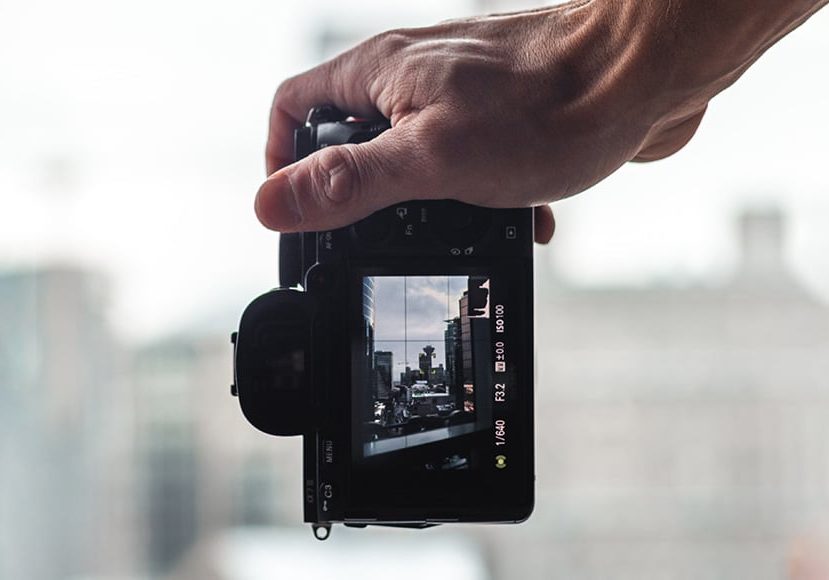
Great photography isn’t only about having a sharp lens or advanced gear—it’s about knowing how to arrange the elements in your frame so they tell a compelling story. A well-structured composition can transform an ordinary subject into an extraordinary visual. Mastering composition photography tips allows you to harness balance, rhythm, and focus in ways that make your work stand out instantly.

Rule of Thirds: The Classic Foundation
The rule of thirds remains the bedrock of visual storytelling. By dividing your frame into a grid of nine equal sections, you can strategically place your subject at intersections or along the lines. This instantly brings balance without making the image feel too staged. While it may sound basic, many seasoned photographers return to this fundamental whenever seeking timeless appeal.
Leading Lines That Guide the Eye
One of the most powerful clever framing ideas is the use of leading lines. Roads, rivers, fences, or even shadows can draw a viewer’s gaze directly to the focal point of your shot. These natural or constructed guides create depth and direct attention, pulling the viewer deeper into your story. When used skillfully, they add a sense of journey within the frame.
Playing with Symmetry and Patterns
Humans are instinctively drawn to patterns and symmetry. From architectural marvels to reflections on water, symmetry creates harmony and serenity in an image. Breaking that symmetry with an unexpected subject can add contrast and intrigue. This approach blends order and surprise—an ideal combination for a creative image layout that feels polished yet unique.
Foreground Elements for Depth
Foreground objects act like visual stepping stones into your scene. Whether it’s flowers at the bottom of a landscape shot or the blurred silhouette of a café chair framing a portrait, these elements add dimension and atmosphere. Layering creates immersion, making the image more engaging and dynamic.
Experimenting with Negative Space
Empty space is not wasted space—it’s a powerful design choice. By leaving areas of your photo uncluttered, you draw more attention to the subject. Negative space gives breathing room and emphasizes minimalism, creating an elegant aesthetic. This subtle technique often amplifies the emotional resonance of an image.
Angle and Perspective Play
Switching viewpoints can completely alter the mood of a photo. Shooting from a low angle can make subjects look powerful and heroic, while a high angle may create vulnerability or emphasize patterns below. Integrating photography perspective guidance into your process challenges you to see the world differently, encouraging fresh and inventive storytelling.
Use Frames Within Frames
Archways, windows, doorways, or even tree branches can create natural frames around your subject. This technique brings intimacy and focus, emphasizing what you want viewers to notice most. Such framing transforms the ordinary into the dramatic, while also adding structure and narrative depth.
Layering for Complexity
Photography, like painting, benefits from layers. Foreground, midground, and background elements working together create storytelling richness. The interplay between these planes adds depth and invites the viewer to linger. It’s a strategy especially effective in street and landscape photography, where scenes evolve with every step.
Color and Contrast Dynamics
Colors influence emotions, and contrast directs attention. Warm tones evoke energy, while cool shades bring calm. Pairing complementary colors makes subjects pop, while monochrome palettes highlight form and texture. These choices are essential in developing a creative image layout that resonates beyond the surface level.
Diagonal Balance and Dynamic Tension
Diagonal lines create a sense of action and tension within a frame. They break monotony and infuse movement into still images. Imagine a cyclist cutting across a street diagonally—the result feels far more energetic than a static horizontal. This technique enhances visual drama and maintains viewer engagement.
Pay Attention to the Edges
What you exclude from your frame is as important as what you include. Stray objects, awkward cuts, or distractions at the edges can weaken an otherwise strong image. Taking an extra second to scan the periphery ensures your composition remains deliberate and polished.
Break the Rules with Intention
While guidelines sharpen your skills, bending them thoughtfully creates innovation. Placing subjects dead center or using chaotic asymmetry can deliver bold, unconventional imagery. True artistry often emerges when you combine technical mastery of composition photography tips with fearless experimentation.Compelling photography is less about expensive tools and more about intentional choices. By applying clever framing ideas, experimenting with creative image layout, and embracing photography perspective guidance, you can craft images that captivate and inspire. Compositions that balance structure with creativity invite viewers into a visual journey—one where every angle, line, and space serves a purpose. With these strategies, your photos will not just document moments, but elevate them into art worth remembering.