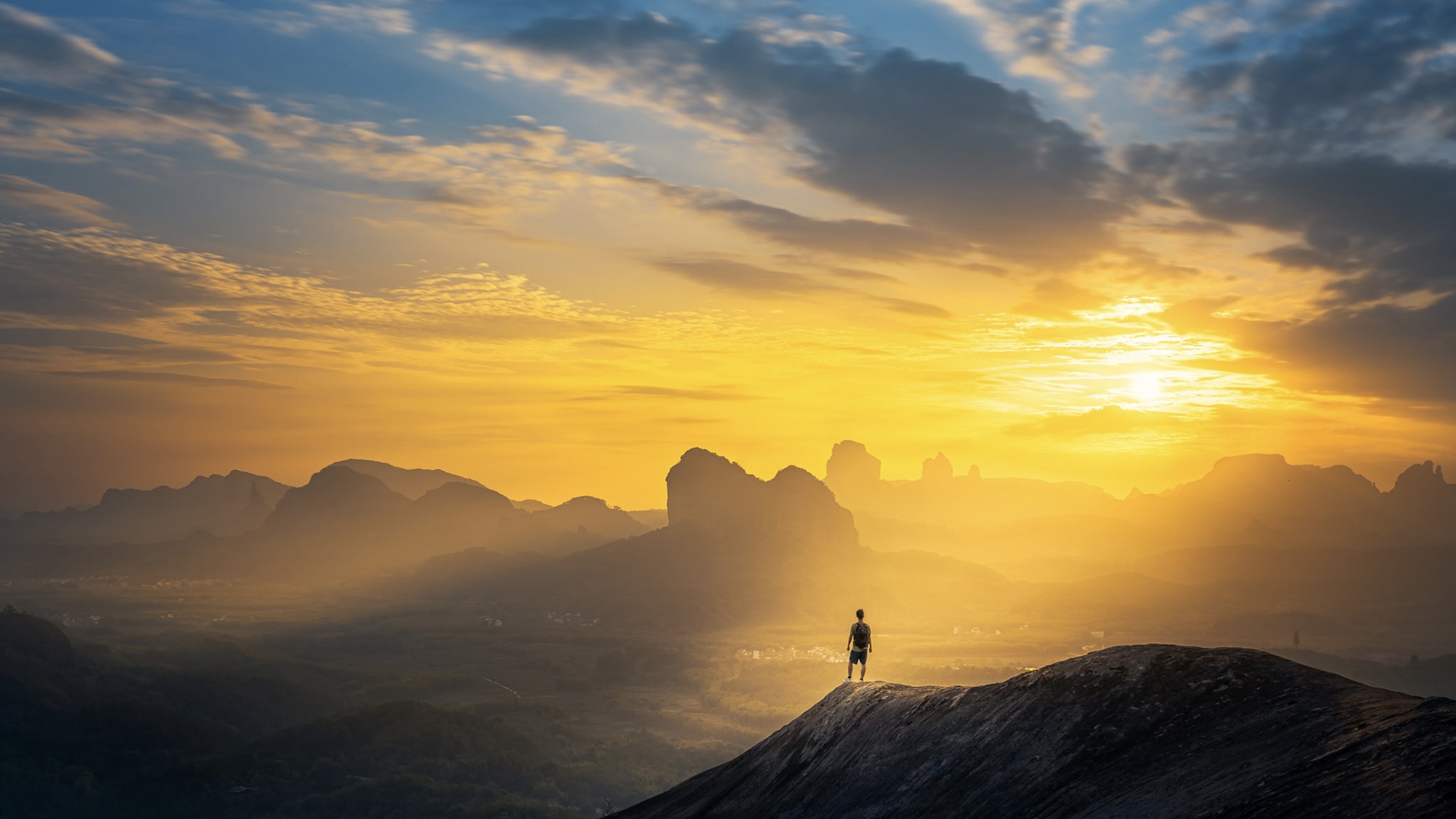
The world offers endless beauty, from serene mountain peaks to golden coastal sunsets. Capturing this grandeur requires more than a simple click of the shutter. With the right approach, every scene can transform into a breathtaking memory. Here are essential landscape photography tips that will help you craft images as vivid and powerful as the moments themselves.

Chase the Right Light
Light is the lifeblood of landscape photography. Golden hour—the magical period just after sunrise or before sunset—bathes the land in warm tones, soft shadows, and dramatic contrasts. Blue hour, just before dawn or after dusk, provides a mystical atmosphere with cooler hues. Choosing the right time of day ensures easy dazzling shots that radiate natural vibrance without heavy editing.
Harness the Power of Composition
Strong composition separates ordinary snapshots from captivating images. Use leading lines like winding rivers, trails, or fences to draw the eye into the frame. The rule of thirds provides balance, while symmetry adds harmony. But don’t be afraid to break the rules—placing your subject dead center can create bold, impactful images. This kind of experimentation lies at the heart of creative outdoor photography.
Bring Depth into the Frame
Landscapes can feel flat without depth. Include foreground elements—rocks, flowers, or textured ground—to anchor the viewer. Middle ground features like lakes or trees guide the gaze further, while mountains or skies form the backdrop. This layering technique adds three-dimensional richness, making your landscapes immersive and lifelike. Such nature photo guidance is invaluable for photographers at every level.
Embrace Wide-Angle Perspectives
Wide-angle lenses are a landscape photographer’s best ally. They allow you to capture sweeping views and dramatic skies, bringing a sense of scale to the image. Position yourself closer to foreground subjects to exaggerate their presence, creating dynamic tension between near and far elements. This lens choice alone can elevate your work into easy dazzling shots that feel cinematic.
Pay Attention to the Sky
A dull sky can weaken even the most striking scene. Watch for cloud formations, pastel dawn colors, or fiery sunset streaks to elevate your frame. If the sky is empty, let the land dominate the composition instead. Conversely, dramatic skies deserve prominence—sometimes two-thirds of the frame. For landscape photography tips, balance between sky and land often decides the photograph’s success.
Stability for Crystal Clarity
Sharpness matters. A sturdy tripod prevents blur during long exposures, especially in low light. Use a remote shutter release or timer to avoid shake. For daytime shots, even handheld, ensure steady footing and consider image stabilization features. Clear details transform simple sceneries into easy dazzling shots that captivate the eye.
Play with Shutter Speed
Motion in landscapes adds drama. A slow shutter speed turns rushing waterfalls into silky cascades and oceans into dreamy expanses. Faster speeds freeze leaves fluttering in the wind or waves crashing against rocks. Mastering this balance not only enhances technical skill but also unlocks fresh avenues for creative outdoor photography.
Adjust Aperture Thoughtfully
A smaller aperture (like f/8 to f/16) keeps both foreground and background sharp, ideal for wide vistas. However, opening the aperture selectively can emphasize specific elements, such as a vibrant flower in a meadow, against a softened backdrop. With careful adjustments, aperture becomes a vital tool for nature photo guidance that suits every environment.
Venture Beyond the Obvious
While iconic landmarks are appealing, seek fresh angles and overlooked perspectives. Explore hidden trails, crouch low for ground-level views, or climb higher for expansive panoramas. Shifting your vantage point often reveals creative outdoor photography opportunities that others miss. Adventure fuels originality, and landscapes reward curiosity.
Use Filters for Enhancement
Polarizing filters deepen skies, reduce glare, and enhance water reflections. Neutral density filters allow long exposures even in daylight, creating surreal effects. These simple tools open creative freedom, giving photographers the power to shape how the world is portrayed. For those exploring landscape photography tips, filters are indispensable companions.
Wait for the Perfect Moment
Patience defines landscape photography. Sometimes the difference between an average shot and a masterpiece is waiting a few minutes for clouds to shift or light to soften. Be still, observe, and let nature unfold. These moments of stillness often yield easy dazzling shots filled with authenticity and atmosphere.
Edit with Subtlety
Post-processing should refine, not overwhelm. Adjust contrast, shadows, and highlights to reflect the scene as your eyes perceived it. Enhance colors gently to maintain realism. Over-editing can strip landscapes of their natural magic, while thoughtful touches preserve the integrity of your nature photo guidance.Capturing landscapes is about blending technical precision with artistic vision. By chasing light, embracing composition, adding depth, and experimenting with tools, you can bring the majesty of nature into every frame. Whether you aim for easy dazzling shots or venture into bold realms of creative outdoor photography, the path lies in curiosity, patience, and a willingness to see beauty in unexpected places. With these landscape photography tips and mindful nature photo guidance, every adventure becomes a gallery waiting to be framed.