
Indoor environments offer endless opportunities for imaginative captures, yet they present unique challenges. Limited natural light, distracting backgrounds, and confined spaces require careful adjustments. With the right strategies, however, even the most ordinary room can transform into a compelling backdrop. By applying effective indoor photography tips, you can elevate your images from flat to captivating.
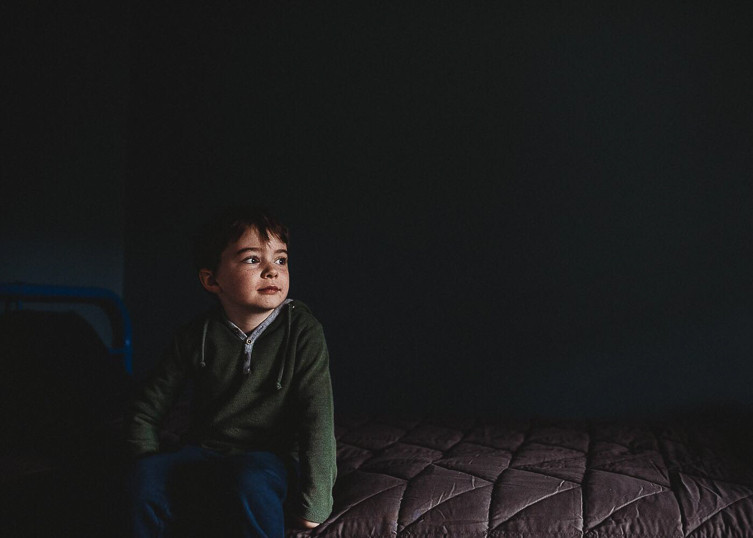
Mastering Light in Enclosed Spaces
Light is the foundation of photography, and indoors it often demands extra attention. Windows are your best ally. Position your subject near natural light sources for a soft, flattering glow. If daylight is limited, experiment with lamps or LED panels to mimic daylight tones. Diffusing light with sheer curtains or reflective surfaces eliminates harsh shadows and creates a balanced atmosphere.
One of the most reliable camera indoor techniques involves adjusting your ISO. Increasing ISO boosts sensitivity to light but introduces noise if pushed too high. A moderate ISO paired with a wider aperture often delivers clean results. Do not shy away from slower shutter speeds either, especially when a tripod ensures stability.
Handy Shooting Ideas for Depth and Drama
Every room tells a story, and your role is to capture its character. Explore different angles to add dimension. Shooting from a lower perspective can make ceilings appear taller, while photographing from above introduces a sense of intimacy.
Using mirrors or glass surfaces for reflections is another of those handy shooting ideas that elevate images instantly. A framed reflection in a hallway mirror or the soft duplication of light in a glass table adds intrigue. Negative space, often overlooked, also helps subjects stand out. Leave parts of the frame uncluttered to emphasize focus and mood.
Creative Room Shots That Inspire
Every indoor setting, from a minimalist studio to a cluttered living room, can produce memorable imagery. The key lies in crafting creative room shots that highlight atmosphere and personality. Instead of capturing the whole space, focus on vignettes. A reading nook with a chair and lamp, or a kitchen counter adorned with plants, tells a story of daily life.
Play with symmetry for a refined look or embrace asymmetry for a dynamic feel. Try isolating color palettes within the room. A monochromatic shot, where the hues of furniture and accessories align, creates striking harmony. Alternatively, contrasting colors, such as a red cushion against neutral walls, can deliver powerful visual punch.
Camera Indoor Techniques to Refine Clarity
When working indoors, fine-tuning your camera settings becomes essential. Wide apertures, such as f/1.8 or f/2.8, allow more light while producing soft background blur. This technique draws attention to the subject while softening distractions. Pairing this with manual white balance adjustments ensures accurate tones under artificial lighting.
Another useful method is bracketing exposures. By capturing multiple shots at different exposure levels, you can merge them later to achieve perfect balance between highlights and shadows. This is one of those camera indoor techniques that provides superior results, especially in rooms with uneven lighting.
Elevating Atmosphere with Props and Textures
Props can shift the narrative of a photo. A steaming mug of coffee on a wooden table, a textured blanket thrown over a sofa, or an open book beside a window instantly adds warmth. Texture matters greatly in indoor photography. Brick walls, velvet cushions, or patterned rugs provide contrast and tactile interest. These elements enhance the visual depth of creative room shots.
Consider using household items as practical tools. Aluminum foil can bounce light, a lampshade can diffuse brightness, and even colored cellophane can alter tones creatively. Simple, inexpensive adjustments yield professional-looking outcomes.
Composition Strategies that Work Indoors
Rule of thirds remains a reliable foundation, but do not hesitate to break it for drama. Centering a subject can deliver impact when the background is symmetrical. Leading lines, such as staircases or hallways, naturally draw the viewer’s eye toward the focal point.
Framing within a frame is another compositional approach. Shooting through doorways, windows, or furniture structures creates depth while guiding attention. With handy shooting ideas like these, even small spaces gain grandeur.
Building Confidence with Practice
Indoor photography thrives on experimentation. Every space offers challenges and opportunities, which makes practice essential. Start by revisiting the same room at different times of the day. Morning light may bring softness, while evening lighting introduces warmth. Shift furniture slightly or change the angle, and an entirely new composition emerges.
Sharpening your observation skills allows you to notice nuances others might miss. A shadow cast across a wall, the glow of a lamp on polished wood, or the play of colors on fabric textures can become focal points. These subtleties distinguish average captures from extraordinary ones.
Indoor spaces should never limit creativity. Instead, they invite you to adapt, experiment, and refine. With indoor photography tips, you learn to master light and composition. By employing handy shooting ideas, you add depth and originality. With creative room shots, you reveal character and mood. And through polished camera indoor techniques, you transform limitations into opportunities.
Photography indoors is an art of perception. Every detail matters, from lighting adjustments to compositional daring. With resourcefulness and practice, even the simplest room can become a canvas for unforgettable imagery.
