
Art has always been a mirror of human evolution, reflecting the cultural, social, and philosophical currents of its time. From bold experiments in form and color to radical departures from tradition, the history of art is punctuated by moments of profound transformation. Exploring these developments reveals the artistic revolution waves that have reshaped visual expression across centuries. These shifts are more than stylistic; they signify creative turning points that redefine both perception and purpose in the artistic world.
Tracing the Artistic Revolution Waves
Artistic revolution waves manifest when innovation disrupts established norms, challenging both creators and audiences. Movements such as Impressionism, Cubism, and Abstract Expressionism did more than introduce new techniques; they revolutionized how art was conceived, produced, and experienced. Each wave carries a distinct energy, reflecting broader cultural, technological, and ideological transformations.
Understanding these artistic revolution waves provides insight into the evolution of creative expression. Observers can trace the lineage of ideas, noting how early disruptions influence successive generations of artists. Recognizing these patterns allows a deeper appreciation of the interplay between innovation and tradition, illustrating how revolutions are both a product of their time and a catalyst for future change.
Identifying Creative Turning Points
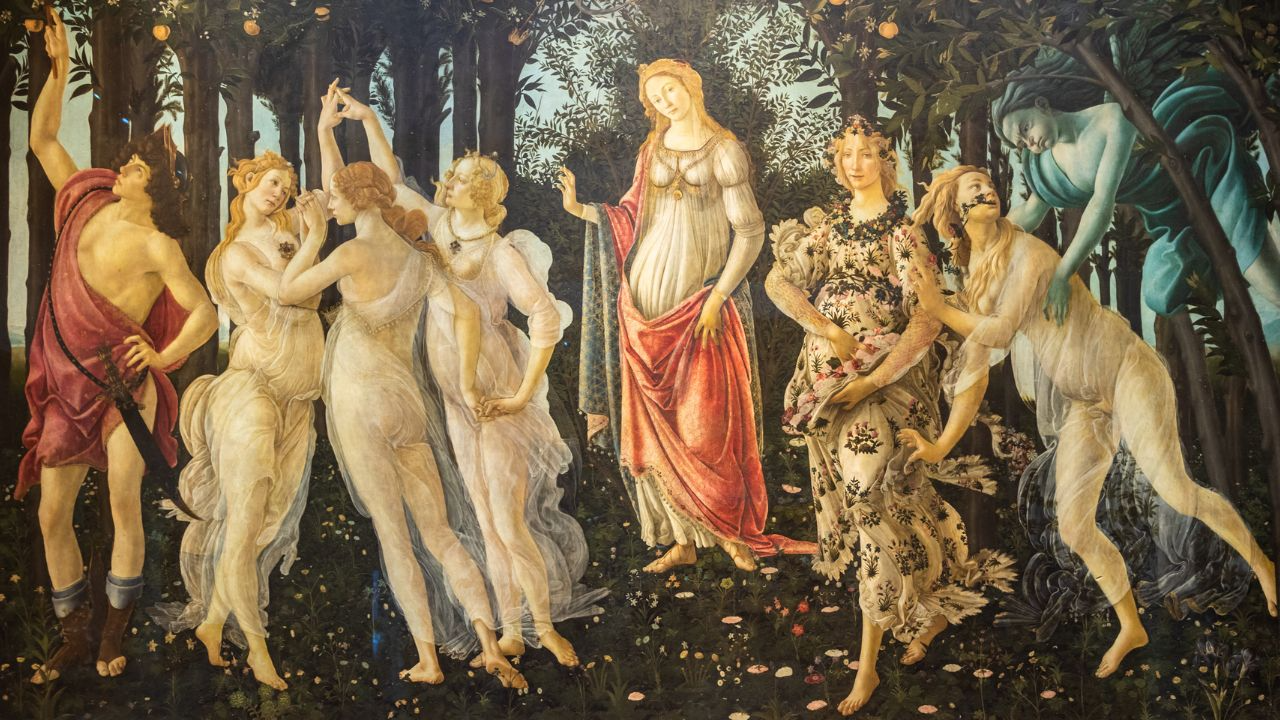
Throughout history, creative turning points have altered the trajectory of art, offering fresh perspectives and methodologies. The Renaissance, for instance, marked a pivotal moment in the mastery of perspective and human anatomy, bridging science and aesthetic beauty. Similarly, the Bauhaus movement integrated art, craft, and technology, demonstrating that design could serve functional and artistic purposes simultaneously.
These creative turning points not only redefine technical practices but also reshape cultural expectations. They challenge artists to reconsider the role of the medium, the relationship with the audience, and the conceptual framework of their work. Each turning point, whether monumental or subtle, contributes to the ongoing dialogue that propels artistic innovation forward.
Experiencing Bold Art Changes
Bold art changes are characterized by their capacity to provoke, inspire, and transform. They often emerge during periods of societal upheaval, when artists respond to new realities with unprecedented creativity. The Dada movement, for example, rejected conventional aesthetics in response to the turmoil of World War I, while Pop Art embraced mass culture and consumerism in ways previously unimagined.
Engaging with bold art changes allows audiences to witness the power of experimentation. These changes highlight the courage required to defy norms and the potential for art to reflect, critique, and influence the world. Bold shifts are often polarizing, but their lasting impact underscores the dynamic and transformative nature of creative practice.
Understanding Shifts in Vision
At the heart of every revolution is a shift in vision, a reimagining of what art can be and do. Such shifts challenge the traditional hierarchy of artistic media, the conventions of subject matter, and the methods of presentation. They encourage artists to explore alternative perspectives, innovate with new materials, and experiment with form and structure.
Shifts in vision are crucial for sustaining the vitality of the art world. They inspire contemporary creators to rethink boundaries, embrace interdisciplinary approaches, and foster a culture of continuous exploration. By studying these shifts, observers gain insight into the evolution of ideas, the interplay of influences, and the emergence of novel aesthetic paradigms.
The Role of Art Digests in Documenting Revolutions
Art digests play a pivotal role in capturing the essence of artistic revolution waves. By curating collections, providing historical context, and highlighting significant movements, they serve as both record and guide. These digests help audiences identify creative turning points and appreciate the nuances of bold art changes that might otherwise be overlooked.
Through detailed analysis, commentary, and visual documentation, art digests illuminate the shifts in vision that define each era. They make complex historical and conceptual developments accessible, fostering deeper engagement and understanding. For artists, educators, and enthusiasts, digests offer an invaluable resource for exploring the continuity and disruption that shapes artistic evolution.
Connecting Historical Revolutions to Contemporary Practice
The lessons embedded in past artistic revolution waves inform modern creativity. Understanding creative turning points equips contemporary artists with perspective, encouraging informed experimentation and innovation. Observing bold art changes from previous generations reveals strategies for challenging norms while respecting the dialogue between tradition and innovation.
In contemporary practice, shifts in vision continue to manifest through new media, immersive installations, and digital art forms. By connecting historical revolutions to present trends, creators gain insight into the mechanisms of change and the potential for transformative impact. This connection underscores the enduring relevance of revolutionary ideas in shaping both artistic practice and cultural perception.
Inspiring a Continuous Journey of Discovery
Exploring artistic revolution waves is a journey of curiosity, learning, and inspiration. Each creative turning point opens doors to understanding the motivations, challenges, and breakthroughs that define art across epochs. Witnessing bold art changes encourages reflection on personal creative choices, while awareness of shifts in vision highlights the evolving nature of artistic endeavor.
Art digests serve as guides for this journey, offering curated insights that illuminate both historical significance and contemporary relevance. By studying these revolutions, readers and practitioners cultivate an appreciation for the transformative power of art and the enduring capacity of creativity to inspire, challenge, and connect.
Conclusion
The history of art is a tapestry woven from artistic revolution waves, marked by creative turning points that redefine expression. Bold art changes reflect the courage and innovation of artists responding to their world, while shifts in vision ensure the ongoing evolution of ideas and aesthetics. By exploring these dynamics through art digests, enthusiasts gain a deeper understanding of both historical context and contemporary influence.
These insights inspire not only appreciation but also active engagement, encouraging artists and observers alike to embrace experimentation, innovation, and the ever-evolving dialogue that defines artistic creation. The exploration of artistic revolutions illuminates the continuity of creativity, offering a profound perspective on how art shapes and reflects the human experience.

