Art and culture have always adapted to the tools and mediums available. From cave paintings to printed books, from grand theaters to radio waves, creativity has consistently evolved alongside innovation. Today, we stand at the threshold of an era where digital technology is no longer a supplement but a stage in itself. The digital art culture future promises a redefinition of how we create, share, and experience the essence of human expression.
Expanding the Canvas Beyond the Physical
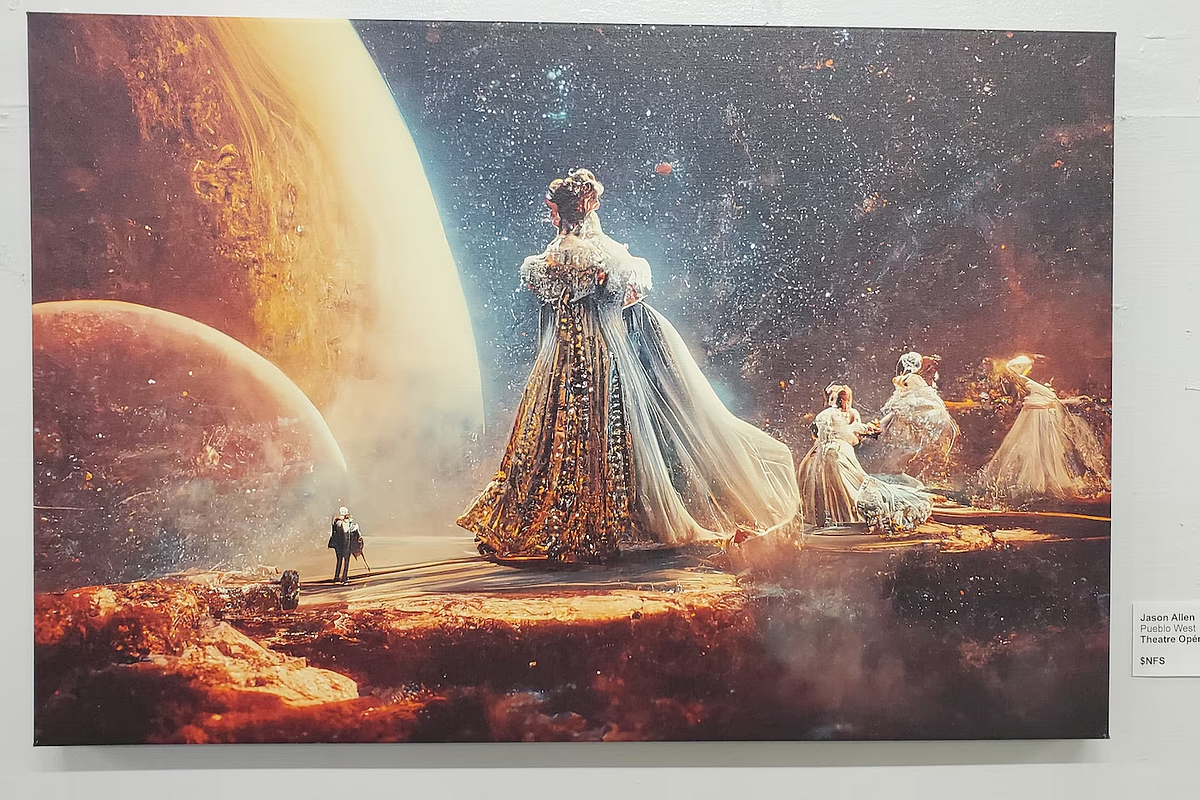
The traditional canvas is now limitless. Artists are no longer confined to pigments and stone, as digital media opens infinite possibilities for creation. Interactive installations, 3D modeling, and augmented reality experiences blur the boundary between the tangible and the intangible. This expansion allows imagination to transcend geography and material constraints, ensuring art reaches audiences across the globe.
The emergence of virtual art culture worlds has introduced entire realms where creativity is lived rather than simply viewed. Within these immersive landscapes, visitors can walk through galleries that never physically existed, collaborate with creators in real time, and even manipulate artworks with their own movements. The future of cultural participation lies not just in seeing art but in inhabiting it.
Online Evolution of Creative Traditions
As cultural institutions embrace the internet, their influence multiplies. Digital archives preserve fragile manuscripts, museums curate exhibitions accessible from anywhere, and streaming platforms bring performances into homes with unprecedented immediacy. What was once locked within elite spaces now flows freely into everyday life. This democratization represents the ongoing art culture online evolution, where access becomes more inclusive and creativity more interactive.
This evolution is not without complexity. Questions of authenticity, ownership, and preservation arise. Yet, it also allows cultures to coexist, blend, and be reimagined in fresh ways. Folk traditions can be revitalized through digital storytelling, and marginalized voices gain platforms previously denied to them. The virtual arena becomes not a replacement, but an amplification of diverse heritages.
Technology as a Creative Collaborator
Far from being a passive tool, technology actively shapes artistic processes. Artificial intelligence generates music, visual compositions, and even literature that provoke debate about authorship and originality. Virtual reality transforms theater into participatory storytelling, while blockchain technologies authenticate and monetize digital creations. These developments highlight the growing role of technology in art culture, not merely as a facilitator but as a partner in invention.
This collaboration expands the definition of creativity. Artists now experiment with algorithms, coding languages, and digital ecosystems as if they were paints, brushes, and stages. Such fusion introduces a new aesthetic vocabulary that blends precision with spontaneity, mechanics with imagination.
Redefining Cultural Spaces and Communities
Cultural gathering places are no longer limited to plazas, concert halls, or libraries. Social platforms, streaming services, and digital forums have become the new piazzas where art is exchanged, critiqued, and celebrated. In these environments, communities transcend borders, forming global audiences united by shared passions.
The phenomenon of virtual art culture worlds reflects this shift. Festivals once tied to physical venues can now take place in entirely digital landscapes, where thousands join simultaneously regardless of distance. Collaborative projects flourish across continents, enabling collective creativity on scales previously unimaginable.
Preservation and Permanence in a Digital Age
One of the great challenges lies in safeguarding the digital. Unlike marble or parchment, digital works risk obsolescence as formats evolve and platforms fade. Ensuring the digital art culture future requires robust strategies for preservation, from decentralized storage to international collaboration among cultural institutions. Without careful planning, significant works risk vanishing into forgotten servers.
Yet digital preservation also offers resilience. Replication and distribution ensure that no single fire, flood, or war can erase centuries of artistry. This paradox of fragility and endurance defines the new horizon of cultural memory.
The Ethical and Human Dimension
While technology unlocks extraordinary potential, it also poses ethical dilemmas. Who owns digital creativity generated by algorithms? How do we respect indigenous traditions when reinterpreted in global digital arenas? What balance should be struck between innovation and authenticity? These questions shape the trajectory of the art culture online evolution, reminding us that cultural progress must remain grounded in respect and responsibility.
At its heart, art and culture remain human endeavors. Technology can enhance, accelerate, and reimagine, but the spark of creativity still originates from the need to communicate, to remember, and to dream.
A Future of Infinite Possibility
The horizon ahead is vast and luminous. As we embrace the digital art culture future, creativity will continue to transform how people connect, learn, and express themselves. The rise of virtual art culture worlds offers immersive possibilities that stretch the imagination. The ongoing art culture online evolution redefines access and participation, making culture a shared resource rather than a guarded privilege. And with the growing role of technology in art culture, collaboration between human intuition and digital intelligence promises innovation without precedent.
The future of art and culture in digital spaces is not a distant prospect. It is already unfolding, reshaping the contours of imagination and inviting every individual to take part in the grand experiment of human expression.

