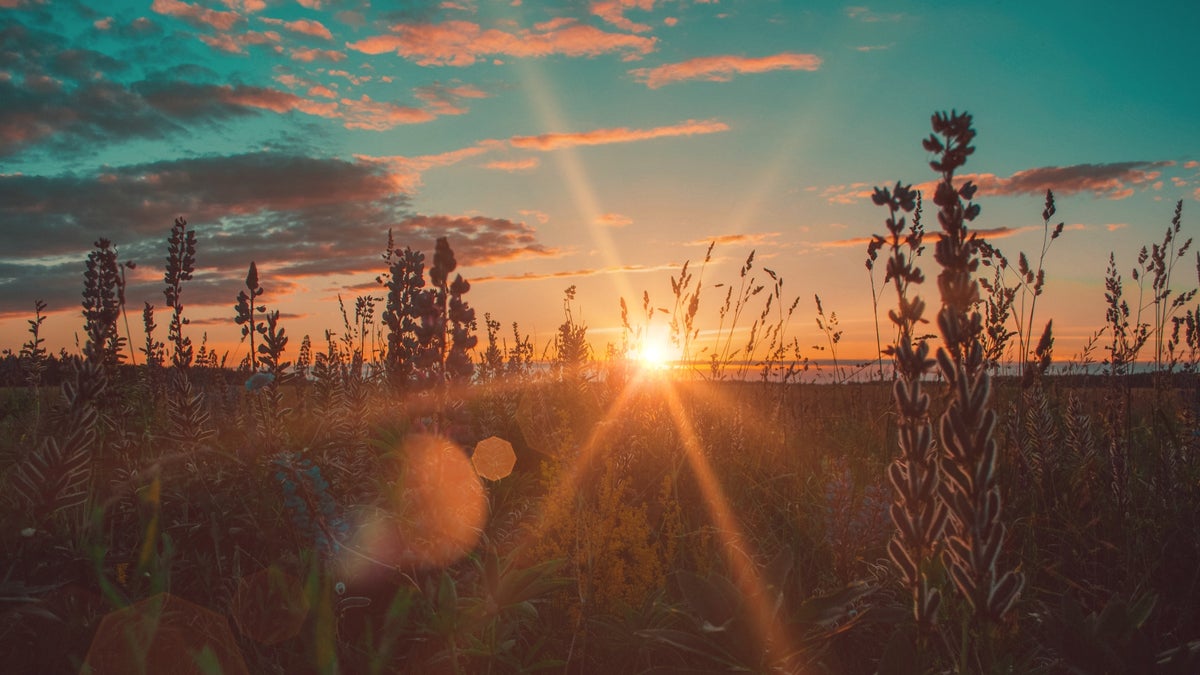
There are few moments in a day as enchanting as the golden hour. That brief window after sunrise or before sunset bathes the world in soft, radiant hues that transform even the simplest subjects into captivating works of art. For photographers, this is nature’s gift—a natural filter that elevates every frame. With the right approach, you can harness the glow to create images filled with warmth, depth, and soul. Mastering golden hour photography allows you to capture scenes that feel effortlessly cinematic.
Understand the Power of Light
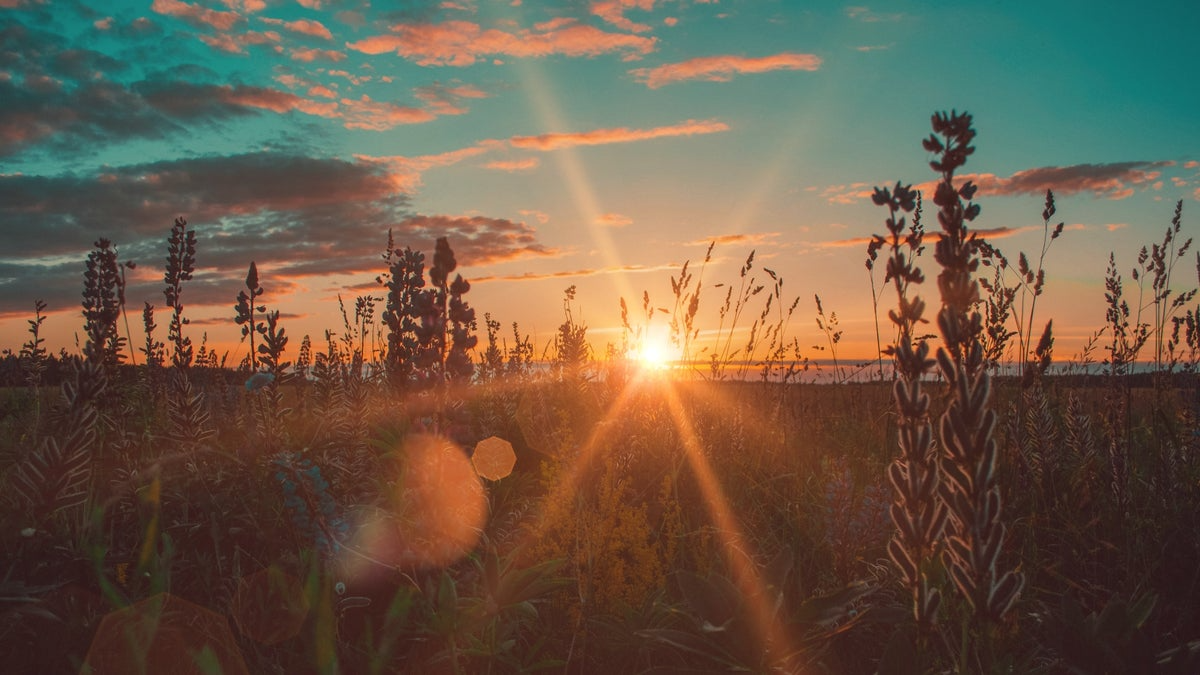
Golden hour light is gentle yet dramatic. Unlike midday sun, which casts harsh shadows and washes out colors, this light wraps itself around your subject with a delicate touch. Faces look softer, landscapes appear more vibrant, and skies shimmer with rich gradients. Knowing how to work with this quality of light is the foundation of all magical light tips. Position your subject so the light flatters rather than flattens, and experiment with front, side, and backlighting to discover which mood best tells your story.
Perfect the Timing
Timing is everything. The golden hour doesn’t last long, and its length varies by season and location. Arriving early ensures you won’t miss the fleeting glow. As the sun dips lower, the light changes minute by minute, offering endless opportunities for experimentation. Keeping track of sunrise and sunset schedules and planning ahead are key photography timing techniques that help you stay prepared for the magic unfolding before your eyes.
Embrace Silhouettes
Few scenes are as striking as silhouettes against a glowing sky. To achieve them, position your subject in front of the sun and expose for the brightest part of the frame. This renders the subject dark while allowing the background to radiate with color. Silhouettes add mystery, drama, and elegance to your collection of creative warm shots while requiring little post-processing.
Use the Glow as Backlighting
Backlighting during golden hour can create luminous outlines around your subject, sometimes called a “halo effect.” This technique highlights hair, edges, or even objects like trees and flowers with golden brilliance. Shooting into the light may require adjusting exposure to avoid overly dark results, but when done well, it produces an ethereal quality that feels almost magical.
Incorporate Lens Flares
Lens flares, often avoided in other conditions, can add character during golden hour. Position the sun partially within the frame or behind an object, like a branch or building, to introduce controlled flares. This adds dynamism and mood, giving your photos a cinematic touch. These subtle details enhance the enchantment of golden hour photography, making your shots stand out from typical daytime captures.
Experiment with Shadows
While the light is soft, golden hour still produces long, dramatic shadows that stretch across the ground. Use them as compositional tools. Shadows can frame subjects, guide the viewer’s eye, or add abstract intrigue to an otherwise simple scene. They balance the brilliance of the warm tones with grounding contrast.
Elevate Portraits with Warmth
Portraits taken at golden hour carry unmatched intimacy and glow. The warm tones flatter skin, adding richness and vitality without the need for heavy editing. For close-ups, angle your subject toward the sun for even illumination, or slightly away for softer shadows and depth. Blending these magical light tips with thoughtful composition turns portraits into timeless memories.
Capture the Sky’s Drama
As the sun lowers, the sky becomes a painting in motion. Clouds catch fire in oranges, pinks, and purples, while the horizon melts into gradients of color. Wide-angle lenses are perfect for showcasing this grandeur, while tighter crops highlight dramatic transitions. Each minute presents a new palette, rewarding patience and observation.
Play With Reflections
Reflective surfaces like water, windows, or even metallic objects amplify the golden hues. Photographing near lakes, puddles, or the sea during golden hour doubles the glow, creating captivating compositions. These reflections bring depth and symmetry, transforming already creative warm shots into extraordinary pieces.
Adapt and Adjust
Golden hour offers incredible light, but it’s fleeting. Adjust your camera settings frequently as brightness fades. Start with lower ISO to preserve detail, then gradually increase as the sun dips. Use wider apertures for dreamy bokeh or narrow ones for sharp landscapes. Flexibility is essential, and staying attentive ensures you don’t miss those final glimmers of brilliance.Capturing the beauty of golden hour requires intention and awareness. By blending golden hour photography skills with thoughtful planning and experimentation, you can consistently produce extraordinary images. Lean on magical light tips to harness the softness of the glow, explore creative warm shots that emphasize emotion and warmth, and refine your process through careful photography timing techniques. In the end, golden hour is a fleeting marvel, but with the right approach, you can immortalize its magic in frames that radiate long after the sun has set.